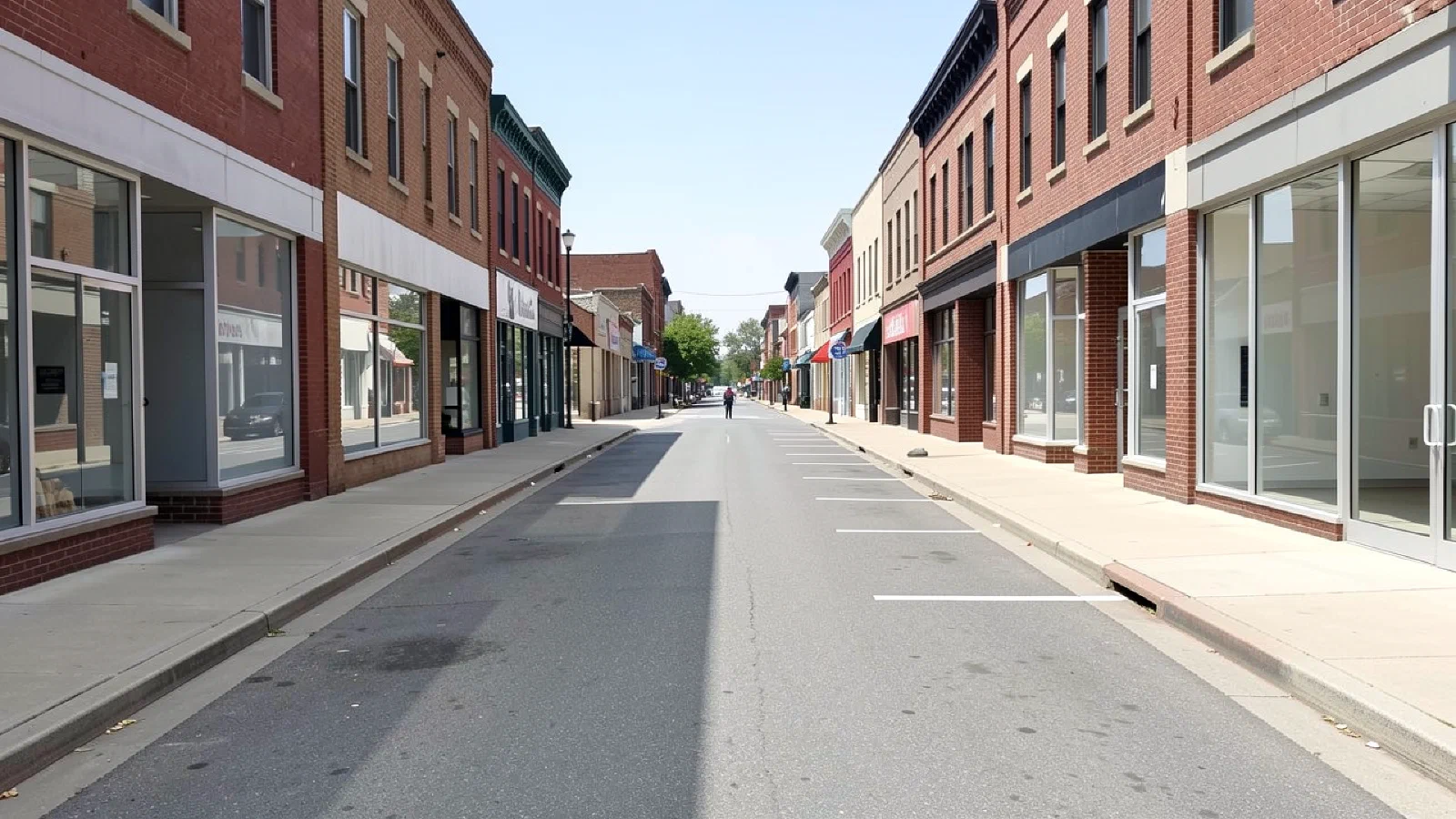
The Built World After Work
Commercial districts thin. Residential patterns bifurcate. The geography reorganizes around a logic that no longer requires the people it displaces to be nearby. Seven essays on the built world after work, following the concrete that records what the economic system has already sorted.
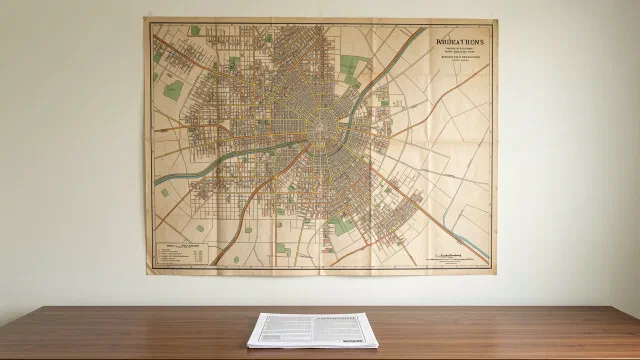
TAM_RWR_1-01
The Volume Problem
When economic activity disappears from a place, the buildings stay. The roads stay. The infrastructure built for a volume of work that no longer exists persists as if waiting for a …
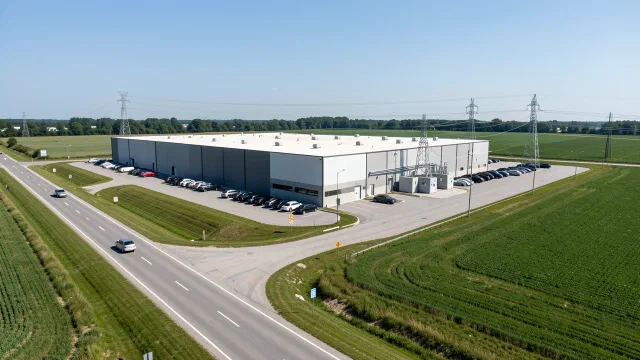
TAM_RWR_1-02
The Replacement
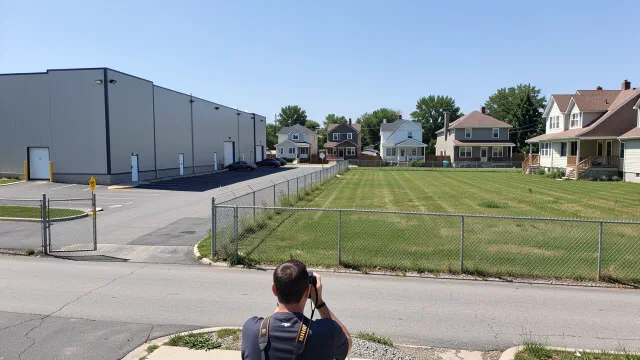
What gets built where the old economy was is not nothing. It is something very specific: large, automated, employing a fraction of the workforce, and located according to a logic …
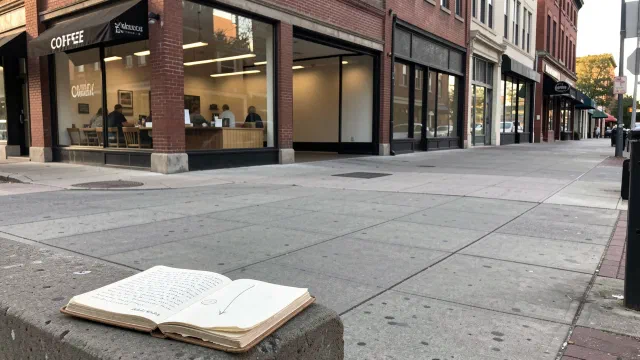
TAM_RWR_1-03
The Remainder
A city without its labor-organizing function is still a city. People live there. The buildings persist. What does not persist is the reason the density existed, and without that …
TAM_RWR_1-04
The Enclave That Already Exists
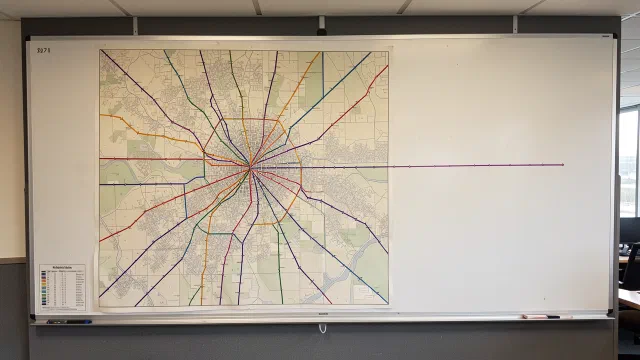
The bifurcation between communities that capture the new economy and those left outside it is not a future scenario. The template is already operating, visible in transit maps that …

TAM_RWR_1-05
The Floor
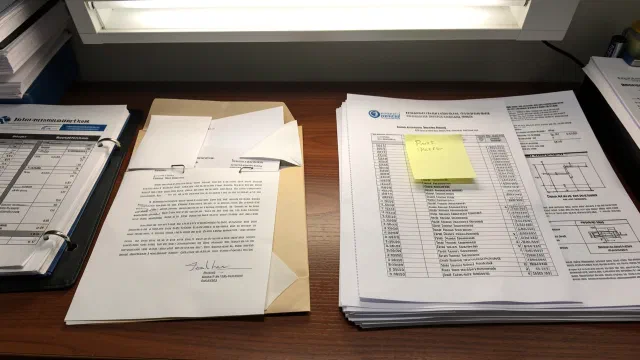
An income floor is necessary. What it actually purchases in physical space is a harder question. The purchasing power concentrates geographically, producing a built environment …
TAM_RWR_1-06
The Dispersal
Universal basic income solves the income problem. It does not solve the place problem. Where the income concentrates, what gets built around it, and whether stability forecloses …
TAM_RWR_1-07
The Same Concrete
Six essays described an American condition. The capstone asks whether the pattern holds at civilizational scale. The answer, traced through cities on four continents, is that the …