The Core Argument
The Reshaped World
What happens to the world people live in when the work that organized it changes. Six arcs tracing consequences across the built environment, the financial architecture, the social fabric, the democratic contract, the educational system, and the operating system of daily life. Plus a companion investigation asking where, exactly, the human presence becomes non-optional.
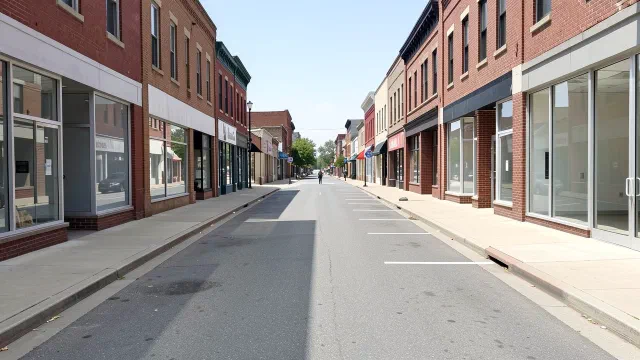
The Built World After Work
Commercial districts thin. Residential patterns bifurcate. The geography reorganizes around a logic that no longer requires the people it displaces to be nearby. Seven essays on the built world after …

The Invisible Ledger
The invisible ledger. What happens to the financial architecture when the friction that sustained entire industries is removed. The friction merchants, the price of attention, the claim, the unearned. …

The Rewoven Fabric
The rewoven fabric. How social structures adapt when the workplace that provided their infrastructure disappears. The organized day, the identity vacancy, the post-work church, the participation …

The Renegotiated Contract
The renegotiated contract. What happens to governance when the fiscal base contracts and the democratic absorption mechanism cannot process the speed of the transition. The fiscal cliff, the …

The Distilled Institution
The distilled institution. What happens to education when its six historical functions are unbundled and rebuilt. Credentialing, socialization, knowledge transmission, civic formation, economic …
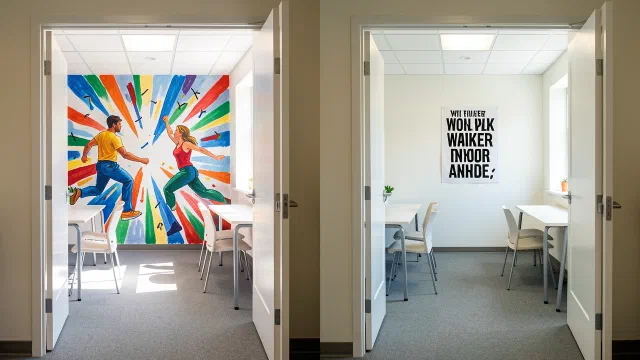
The New Operating System
The new operating system. What daily life looks like when all the preceding arcs' consequences arrive simultaneously. The simultaneity problem, the two civilizations, Margaret's world. Three essays …
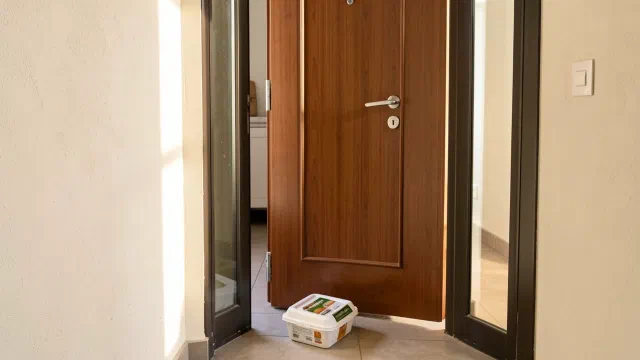
Zero Person Frontier
Where is the frontier at which zero human presence is acceptable? Eight essays examining specific service domains, case by case, asking where the line falls between adequate AI delivery and the …