
The Commons
The commons. What happens to the shared infrastructure of daily life. The errand, the floor, the unnecessary, the rubble and the growth. Four essays on what must be held in common and what happens when it is not.

TAM_RIM_3-01
The Errand
What If the Point Was Never the Errand?
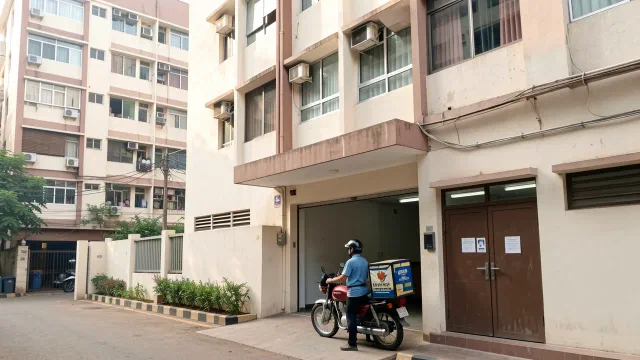
The errand is the smallest unit of civic infrastructure. You go to the pharmacy, the post office, the hardware store. Each errand is a thread in a web of encounters that nobody …
TAM_RIM_3-02
The Floor
What Happens After the Last Errand?
The floor is the minimum below which a society refuses to let its members fall. It has always been politically contested. What is new is that AI makes a genuine floor economically …
TAM_RIM_3-03
The Unnecessary
What Happens When Nobody Needs You?
Some work is unnecessary by every measure the economy uses and essential by every measure it does not. The volunteer who drives the elderly neighbor to church. The crossing guard …
TAM_RIM_3-04
The Rubble and the Growth
The Skeptic Turns Around
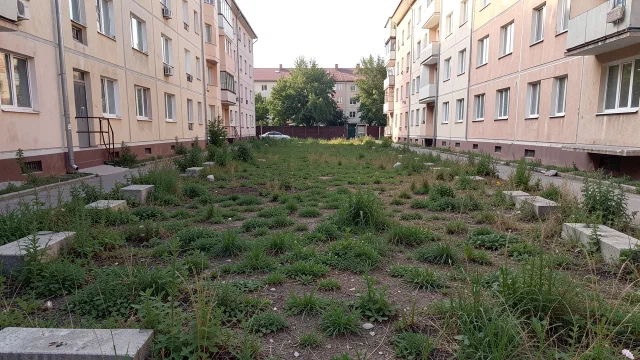
Democritus said the world was atoms and void. Yagn, at eighteen, reframed the void as generative: the space where civilizational economic structures collapse is not empty but …
TAM_RIM_3-05
Clara's
The Building That Used to Be a Bank
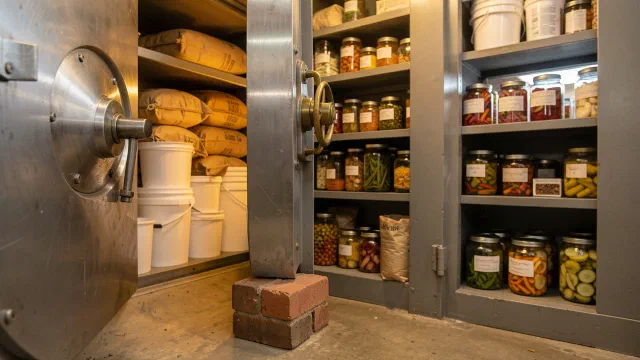
The bank vault holds flour now, and the night-deposit slot fills with seeds, pliers, a radio labeled in masking tape. Nobody organized any of it. A year inside Clara's, where the …