The Adaptation
The species absorbs everything. Including this.
TAM-PER.09 · The Persistent · The Approximate Mind
I cannot remember being amazed by the smartphone.
I know I should have been. I was a child when they arrived, old enough to have witnessed the before and the after. There was a world with maps in glove compartments and a world with a map in every pocket, and I lived through the seam between them, and I retained no astonishment from it at all. By the time I was paying attention, the phone was just the world. Furniture. The thing that had always been on the table.
The technology was extraordinary. The astonishment did not last.
Fire did not change what humans are. It changed what they could do. Writing did not change what humans are. It changed what they could keep. The printing press, the steam engine, electricity, antibiotics, the bomb, the internet, each one expanded the reach and the power and the range of the species without touching the patterns underneath. The species adapted to every one of them. Adapted meaning something specific. Not improved. Absorbed. Took the new capability and ran it through the full existing range of human behavior.
Fire warmed people and burned their enemies. Writing carried poetry and propaganda. The press printed the Bible and the blood libel. None of these technologies made the species more truthful or more wise or more kind. They made it more capable, across the whole spectrum of what it was already doing, the good end and the bad end both.
The discourse around each one followed the same arc. Wonder, then fear, then adoption, then the technology disappearing into the ordinary, then nostalgia for the world before it. Every technology in use right now was once going to change everything. Every technology in use right now is now just the world.
And the fear is always the same fear. That this time the tool will change the species itself. Socrates worried that writing would destroy memory. The printing press would corrupt morals. Television would rot the brain. The internet would shatter attention. AI will replace human thought. The specific fear is reasonable every time, and every time the underlying worry is the same worry: that the new thing reaches so deep it will alter what we are, not just what we can do.
It never has. Not once in the record. The species keeps adapting and keeps being the species.
AI is being absorbed right now, the same way. I watch it happen in myself. A few years ago it was startling. Now it is a thing I reach for without ceremony, the way I reach for the phone, the way someone older reached for the calculator and someone older than that reached for the pen. The startle wore off on schedule. One generation of astonishment, maybe less. Then the assimilation, which always looks the same from inside, which is to say it looks like nothing. Adaptation, when it finishes, feels like nothing at all. You do not notice you have adapted. You notice that the world simply is the way it is.
This is not a claim that AI is small. It is enormous. So was fire. The size of the tool was never the question. What matters is the method of the species that meets it, and the method has not changed since the first hominid carried a burning branch back to a cave and used it to see, and to cook, and eventually to threaten the people in the next cave over.
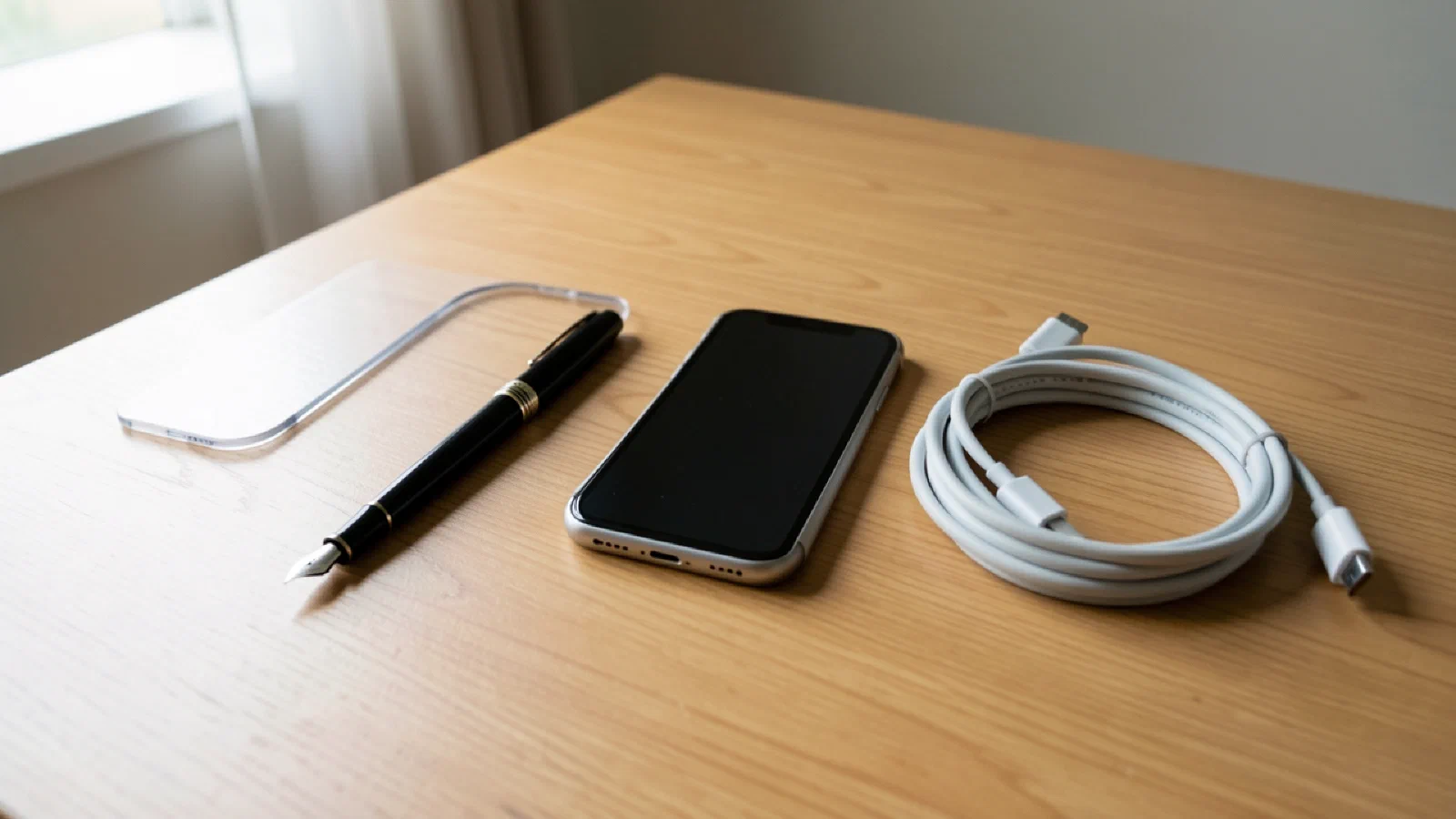
The species does not replace its tools. It accumulates them. The pen and the phone and the AI end up in the same hand, the same life, the same afternoon. Somebody is writing a letter by hand right now, on paper, for the feel of it, on a desk where a phone is also charging and a model is also open in a browser tab. None of it strikes them as a contradiction. They picked up the new thing without putting down the old one, the way the species always has.
I wonder whether there is any technology that could actually change what we are, or whether the species is the one constant, the thing that meets every tool and turns out, every time, to be the same thing meeting it.
The model is open on my screen. I am not amazed by it. That is how I know the adaptation is already complete.
References#
Ong, Walter J. Orality and Literacy: The Technologizing of the Word. Methuen, 1982.
McLuhan, Marshall. Understanding Media: The Extensions of Man. McGraw-Hill, 1964.
Marvin, Carolyn. When Old Technologies Were New: Thinking About Electric Communication in the Late Nineteenth Century. Oxford University Press, 1988.
Wrangham, Richard. Catching Fire: How Cooking Made Us Human. Basic Books, 2009.
Plato. Phaedrus. Translated by Alexander Nehamas and Paul Woodruff, Hackett, 1995.
This is the ninth essay in The Persistent, a series by Yagn Adusumilli examining what AI cannot change about the species that built it. The Contradiction follows.
How this essay connects to others across The Approximate Mind.
- Ong, Walter J. Orality and Literacy: The Technologizing of the Word. Methuen, 1982.
- McLuhan, Marshall. Understanding Media: The Extensions of Man. McGraw-Hill, 1964.
- Plato. Phaedrus. Translated by Alexander Nehamas and Paul Woodruff, Hackett, 1995.
- Marvin, Carolyn. When Old Technologies Were New: Thinking About Electric Communication in the Late Nineteenth Century. Oxford University Press, 1988.
- Wrangham, Richard. Catching Fire: How Cooking Made Us Human. Basic Books, 2009.